
Use curated sync catalogues and pitch marketplaces, backed by pitch-ready masters, clean metadata, and a completed rights checklist, to give your music the best shot at placement in TV, film, ads, and online video. That combination handles discovery, monetization, and rights clarity in one move. Start by listing your tracks in a curated sync catalogue like Loca-Nation's Sync Catalogue and working through the prep steps below before you submit anything.
TL;DR:
- Curated sync catalogues prioritize quality and clearance, making it easier for buyers to find approved, ready-to-license tracks quickly.
- Clear rights ownership, complete metadata, and properly formatted stems are essential to prevent deal delays and improve discoverability.
- Submitting non-exclusively and testing platforms with one or two tracks before committing can maximize flexibility and data-driven decision-making.
- Effective tagging with detailed descriptors like mood, tempo, and usage context enhances AI search visibility and increases placement chances.
- Precise preparation, including signed split sheets and registration with rights organizations, significantly improves the likelihood of successful sync licensing.
Table of Contents
- What Sync Licensing Platforms Actually Do
- How to Choose the Right Sync Route for Your Music
- Prepare Your Tracks for Sync: A Copy-Ready Checklist
- How to Submit and Pitch Sync-Ready Tracks
- Why Tagging and AI Discovery Change the Odds
- What the Data Actually Tells Independent Artists
- Get Your Catalogue Sync-Ready With Loca-Nation
- Sources
What Sync Licensing Platforms Actually Do
Sync licensing platforms connect your recordings to people who need music for a visual project. That's the whole job. But the mechanics behind that connection vary a lot depending on which type of platform you're dealing with.

Most fall into a few categories. Curated catalogues review submissions and only list tracks that meet a quality or clearance bar, which makes them attractive to buyers who don't have time to sift through raw uploads. Pitch and brief marketplaces work the other way: a music supervisor posts a specific need (a 30 second upbeat instrumental for a car ad, say) and artists respond directly. B2B sourcing hubs sit behind the scenes, feeding pre-cleared catalogues into production companies and ad agencies at scale. Direct-license storefronts let a buyer find a track and license it themselves, often instantly, without a human negotiation in the middle.
Buyers move through these channels differently. A music supervisor working a tight deadline searches a catalogue by mood and tempo. A brand's ad agency might post a formal brief. Independent sync agencies and marketplaces increasingly serve as the entry point for artists without label representation, since they aggregate demand from buyers who'd otherwise never see an unsigned catalogue.
The money side matters too:
- A one-time sync fee paid for the right to use the track in that specific project.
- Performance royalties collected when the placement airs, tracked through your performance rights organization.
- Possible backend publishing splits if the platform or agency takes a percentage as part of representing your composition.
Submission models split roughly into open upload (anyone can submit, review happens after the fact) and curated roster (you apply, and only accepted artists get catalogue placement). Neither is inherently better. It depends on what stage you're at and how much control you want over who represents your work.
How to Choose the Right Sync Route for Your Music
Not every platform deserves your catalogue. Before you commit time or money, run each option through a short list of practical questions.
- Who are the actual buyers? Ask for examples of past placements, not just a logo wall of "clients." A platform that can't name a recent sync should raise flags.
- How clear is the rights setup? You want to know exactly who owns what after a deal closes, and whether the platform takes any ongoing publishing interest.
- What does reporting look like? Find out how you'll be notified of a placement and when royalty payments actually hit your account.
- Are there exclusivity terms? Some platforms want exclusive rights to your catalogue or specific tracks; others operate non-exclusively, letting you submit the same song elsewhere.
- Does the catalogue match your genre and career stage? A cinematic instrumental library serves a different buyer than a marketplace built around vocal pop tracks for ad campaigns.
Your career stage should shape the decision as much as the platform's reputation does. If you're chasing a single opportunity, a pitch marketplace responding to an active brief might get you there faster. If you want steady, ongoing sync income, a curated catalogue that keeps your tracks discoverable long term is the better investment of your time.
Pro Tip: Before signing anything exclusive, submit one or two tracks non-exclusively to test how a platform actually performs. If you get a placement or even solid supervisor interest within a few months, you have real evidence to decide whether exclusivity is worth trading away your flexibility.
Prepare Your Tracks for Sync: A Copy-Ready Checklist
Buyers move fast, and a track with missing deliverables gets passed over even if it's the perfect fit. Guides from licensing services like Ditto consistently point to the same handful of prerequisites that keep deals from stalling.
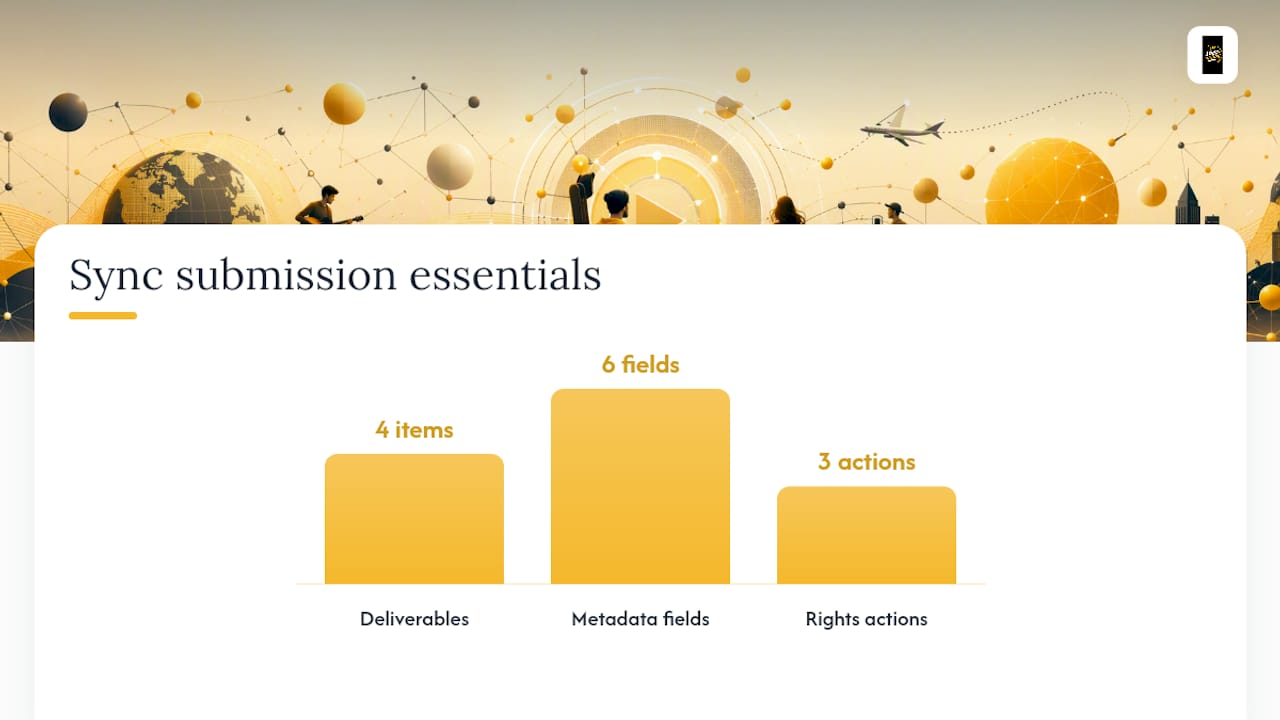
Deliverables to have ready before you submit anywhere:
- Stereo master in high-resolution WAV or AIFF (not a compressed MP3).
- Instrumental stem with no lead vocal, since supervisors frequently need a version without lyrics.
- A clean edit with no profanity or brand-name references that could conflict with a client.
- Standardized filenames that include artist, title, and version (instrumental, clean, full mix).
Metadata fields to fill in completely: track title, exact writer and publisher splits, ISRC code, BPM, musical key, and a handful of descriptive mood or keyword tags. A track with blank metadata fields is functionally invisible to the search tools buyers use.
On the rights side, confirm you actually own or control the master and the composition before submitting anything. Get a signed split sheet from every co-writer or producer involved, and register your compositions with a performance rights organization such as PRS for Music in the UK, so royalties from any airing can actually reach you.
Pricing varies enormously by project scope. Independent artists can secure placements for small indie productions to larger ad campaigns, and the range depends heavily on territory, usage length, and how prominently the track features. Platforms typically present this either as a flat sync fee or a negotiated split between fee and ongoing royalty.
How to Submit and Pitch Sync-Ready Tracks
Getting your metadata and stems in order is only half the job. How you actually pitch determines whether anyone listens past the first ten seconds.
- Pick the right submission path. This might mean uploading through a platform dashboard, responding directly to a posted brief, submitting to a curated playlist call, or, where a platform allows it, reaching out to a supervisor directly.
- Write a pitch that respects the reader's time. A short subject line, a one or two sentence synopsis of the track's mood and use case, and a note on any obvious usage fit (montage, chase scene, product reveal) go further than a long artist bio.
- Suggest edit points. If your track has a natural drop or a clean intro that would work well for a 15 or 30 second cut, say so. Supervisors rarely have time to find it themselves.
- Decide your exclusivity stance before you pitch, not after. State clearly whether you're offering an exclusive license for that specific project or keeping the track available elsewhere.
- Follow up once, politely, after a reasonable window. Two to three weeks is typical before a light check-in; badgering a supervisor after two days does more harm than good.
Curated, tightly matched submissions tend to outperform bulk catalogue dumps. A brief-based pitch service built around targeted mini-EPs works precisely because supervisors want something close to ready-to-license, not a hundred loosely related tracks to sort through themselves.
Why Tagging and AI Discovery Change the Odds
Music supervisors increasingly search catalogues the way you'd search a streaming app, typing natural-language queries or asking for tracks similar to a reference song. That shift means a catalogue with sparse or generic tags becomes practically invisible to AI-powered search tools, no matter how strong the actual music is.
Automated tagging tools can bulk-process a large catalogue fast, but they still miss nuance. A software model might correctly flag tempo and key, yet fail to capture the emotional register a human ear catches in seconds. Human-reviewed tags remain the more reliable layer on top of automated ones.
Build your own tagging checklist around these fields:
- Mood (tense, hopeful, nostalgic, triumphant).
- Tempo and BPM range.
- Instrumentation and arrangement density.
- Suggested usage context (montage, dialogue-under, trailer moment).
- Synonyms and cultural reference points a supervisor might actually type into a search bar.
Pro Tip: Export your tags as a spreadsheet before you ever upload a track, so you can reuse and refine the same taxonomy across every platform instead of retyping descriptions from memory each time.
What the Data Actually Tells Independent Artists
Most advice on sync licensing treats it like a lottery: submit everywhere, hope something sticks. That's backwards. The evidence points to a much narrower, more controllable set of factors: complete metadata, clean rights documentation, and a curated pitch beat volume every time.
The overrated piece of conventional wisdom is exclusivity. Plenty of artists sign away broad exclusive rights to the first platform that shows interest, assuming it signals seriousness. It usually just limits their options while the platform tests whether their catalogue performs. Non-exclusive submissions, tested carefully, tell you far more about a route's real value before you give anything up.
What deserves priority first isn't more submissions. It's fixing the boring stuff, tags, stems, split sheets, before you submit anywhere at all. A perfectly tagged, fully cleared track submitted to three well-matched platforms will consistently outperform a messy file blasted to twenty. Discovery tools have gotten smarter. Artists' prep habits mostly haven't caught up yet.
— Jason
Get Your Catalogue Sync-Ready With Loca-Nation
Loca-Nation gives independent artists a direct route into sync opportunities without needing a label or a manager to open the door. The Sync Catalogue puts your pitch-ready tracks in front of industry professionals actively searching for music, backed by artist profiles and analytics that show buyers real engagement, not just a follower count.
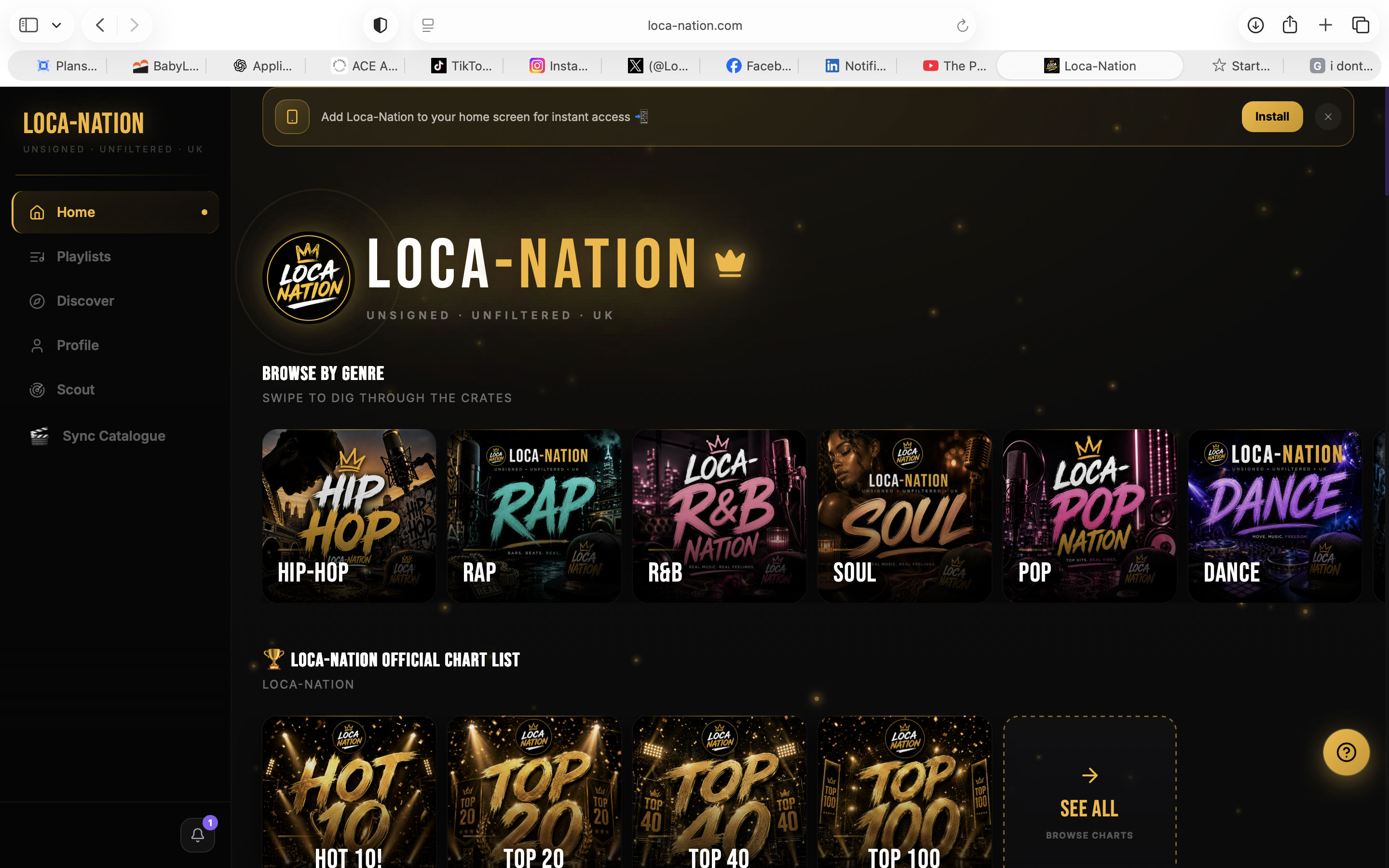
Getting started is straightforward. Complete Genre Onboarding so your tracks are categorized correctly from the outset, upload your stems and metadata following the checklist above, and list your cleared tracks in the Sync Catalogue where supervisors and scouts can find them. Every step you took to prepare your metadata and rights documentation earlier in this guide feeds directly into how discoverable your catalogue becomes here. Head to the Sync Catalogue page now and get your first tracks listed.
Sources
- How Mewo.io plans to revolutionize the sync music sourcing process
- 10 Sync Agencies Every Independent Artist Should Know in 2026
- Music Sync Licensing | Pitch Music for TV and Film (Ditto)