
If you want genuinely new unsigned music, skip the algorithm and start with human-curated blogs, active community hubs, and artist-first platforms. Follow one genre page and vote on a chart like Loca-Nation's. Editorial picks and direct artist access surface unsigned talent faster than any recommendation engine, because real listeners and real editors flag quality before the data catches up.
TL;DR:
- Using multiple sources like blogs, community hubs, and local scenes improves the chance of discovering overlooked unsigned artists.
- Human-curated playlists and indie magazines provide more context and timely features than algorithm-based recommendations.
- Artist-first platforms show tracks ranked by listener engagement and allow direct following, which better reflects genuine popularity.
- Trustworthy sources clearly disclose editorial identities, submission policies, and avoid undisclosed paid placements.
- Platforms like Loca-Nation create listener-driven charts where votes and engagement determine an artist’s progress, not industry money or ads.
Table of Contents
- Where Should You Actually Look for Independent Music Discovery?
- How Do Artist-First Platforms Surface Unsigned Music?
- How Do You Know a Discovery Source Is Trustworthy?
- Inside Loca-Nation: A Listener-Powered Discovery Chart
- What Should You Know About Copyright Before Sharing Indie Music?
- How Do Artists Submit Music, and What Happens Next?
- A Working Weekly Routine for Indie Discovery
- Try Loca-Nation: Three Quick Actions to Support Unsigned Artists
- Sources
- FAQ
Where Should You Actually Look for Independent Music Discovery?
Independent music discovery works best when you stop relying on one source and start rotating through a handful of them. Editorial blogs, curated playlists, community hubs, radio, and local show listings each surface a different layer of the underground, and no single channel catches everything.
Small online magazines and blogs still do something algorithms can't: context. A premiere or feature comes with an interview, a backstory, a reason to care about the track beyond its waveform. Sites like Indie Music Discovery run interviews, premieres, and playlists specifically built around DIY and unsigned artists, which means you're reading about a release the same week it drops, not months after it trends.
Human-curated playlists work differently than blog posts. They're updated on a schedule, often weekly, and following the right editor or channel gets you a steady drip of new names instead of a one-time list. Look for playlists with visible curator names and update logs. That transparency is the difference between a real editorial pick and a static, forgotten list.
Community hubs move faster than either. Threads on platforms like r/indieheads exist almost entirely to trade recommendations, and the comment sections often surface artists weeks before a blog picks them up. Discord servers built around a specific label, scene, or genre work the same way, just faster and more casual.
A few concrete starting moves:
- Bookmark two or three editorial blogs and check them weekly, not monthly.
- Follow one active subreddit or Discord tied to a genre you already love.
- Sample an internet radio station or a local venue's weekly lineup instead of only streaming charts.
- Save any artist who shows up in more than one of these channels. That overlap is a real signal.
Local scenes deserve more attention than they get. A city's small venue calendar or a college radio station's playlist often features acts a full year before they show up on a national blog's radar.
How Do Artist-First Platforms Surface Unsigned Music?
Artist-first platforms flip the usual discovery model. Instead of a black-box algorithm deciding what you see, these platforms let artists upload directly, build a public profile, and compete for visibility through listener engagement, not marketing budget.
Here's how listeners typically use them:
- Browse by scene or genre page. Most artist-first platforms organize new uploads by location and genre rather than burying them in a generic feed, which makes it easy to find, say, new synth-pop coming out of your own city.
- Read the ranking signal. Look for platforms that show how a track is ranked. Some use engagement or completion rates instead of raw play counts, which tends to produce clearer discovery signals than opaque streaming totals.
- Follow artists directly. Once you find someone worth tracking, follow their profile so new uploads and chart movement show up automatically instead of relying on a future algorithmic nudge.
- Check for combined discovery and commerce features. Marketplace-style platforms often let you buy directly from an artist while following their local scene, which keeps money and attention concentrated on people instead of intermediaries.
Expect these platforms to show new-release lists, editorial or community picks, and sometimes voting mechanics that let you actively push a track up a chart rather than passively consuming whatever loads first.
How Do You Know a Discovery Source Is Trustworthy?
Trustworthy sources show their editorial work. A blog with a named author, a publish date, and a visible editorial policy is a different animal than an anonymous "Top 10" post with no byline and a suspicious number of tracks from the same three labels.
Watch for these signals before you trust a recommendation:
- Author byline and bio on the post, not just a site-wide "staff" credit.
- Active comments or replies from real listeners, not just artist self-promotion.
- Verified links back to an artist's own channels, not a third-party reupload.
- A visible submission policy that separates paid promotion from editorial choice.
Most legitimate blogs, including sites like Indie Music Discovery, openly run a submit-music page where artists and PR reps pitch tracks. That's normal. The red flag isn't the existence of a submission form. It's a site that never discloses which posts came from a submission and which came from independent editorial digging.
Pro Tip: Search the blog or playlist name plus "sponsored" or "submission." If the site never once discloses a paid placement, treat every "editorial pick" with a little more skepticism.
Inside Loca-Nation: A Listener-Powered Discovery Chart
Some artist-first platforms build discovery around a chart, not a feed, where unsigned artists compete for chart position based on genuine listener engagement rather than industry connections or ad spend, meaning tracks climb the chart because real people vote them up.
As a listener, here's what you can actually do on the platform:
- Browse new music by genre, region, or local scene to find artists near you.
- Vote for tracks you think deserve to climb, directly shaping chart movement.
- Follow artist profiles to track their progress as they move through local, regional, and national chart tiers.
- Build playlists from artists you discover along the way.
One structural detail matters more than it sounds: some platforms carry no advertising, commercials, or listener subscriptions. That listener-first design means the chart reflects engagement, not ad inventory or paid boosts, which is exactly the kind of transparent ranking signal worth looking for according to the evaluation criteria above. For readers who want a deeper look at how independent artists build momentum once discovered, Loca-Nation's artist promotion guide breaks down the exposure side of that same chart system.
What Should You Know About Copyright Before Sharing Indie Music?
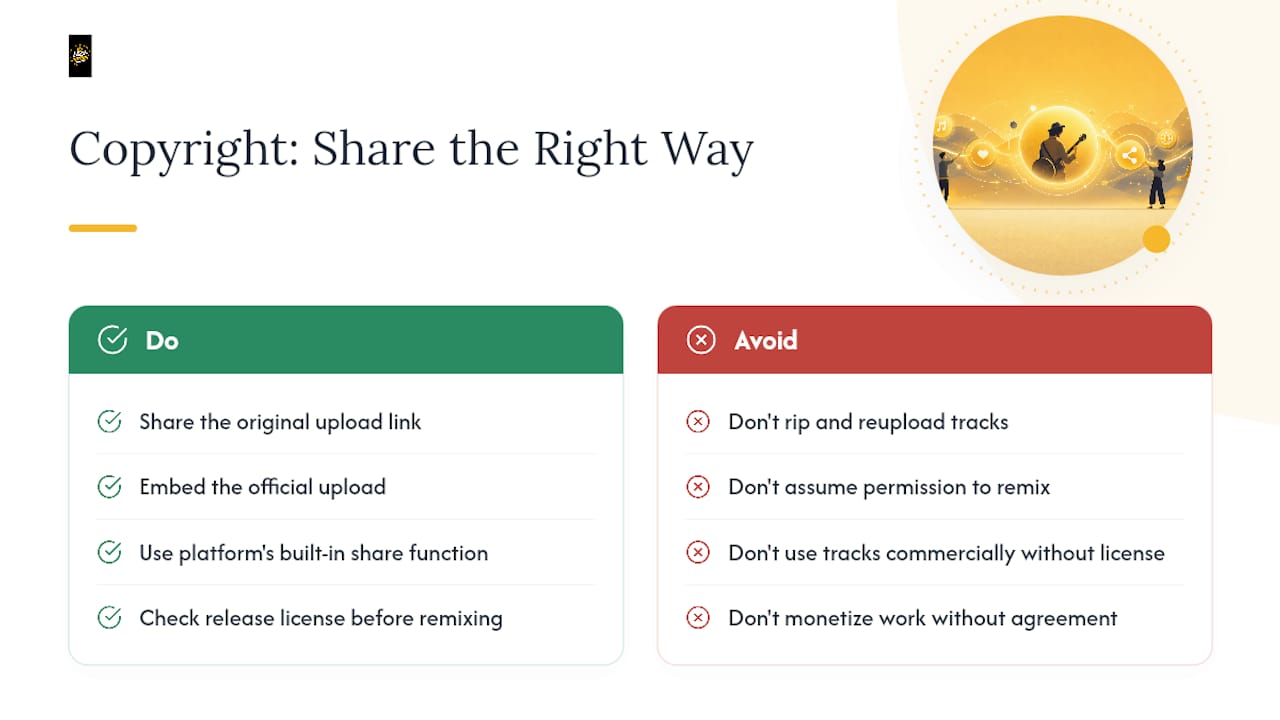
Sharing a track you love feels harmless, but independent artists rely on the same copyright protections major labels do. Ripping audio and reuploading it to your own channel, even with credit in the description, is technically unauthorized distribution, and it strips the artist of streaming royalties and accurate play counts.
Support the artist correctly instead. Share the original link, embed the official upload, or repost through the platform's own share function so plays and votes count toward the artist's actual numbers. If you're building a mixtape, YouTube video, or podcast segment around discovered tracks, check whether the release carries a specific license (Creative Commons variants allow different levels of reuse) before assuming it's fair to remix or rebroadcast.
Sync licensing is where this gets more formal. If a brand, filmmaker, or game developer wants to use an independent track commercially, that requires a direct license agreement with the artist or their publisher, not a casual DM asking permission. Artists exploring this path should understand how metadata and licensing paperwork actually work before pitching sync opportunities. Loca-Nation's guide to sync-ready metadata covers what that paperwork typically involves.
The ethical baseline is simple: if a platform or blog is making money off an artist's work through ads, playlists, or reposts, the artist should have agreed to that arrangement first.
How Do Artists Submit Music, and What Happens Next?
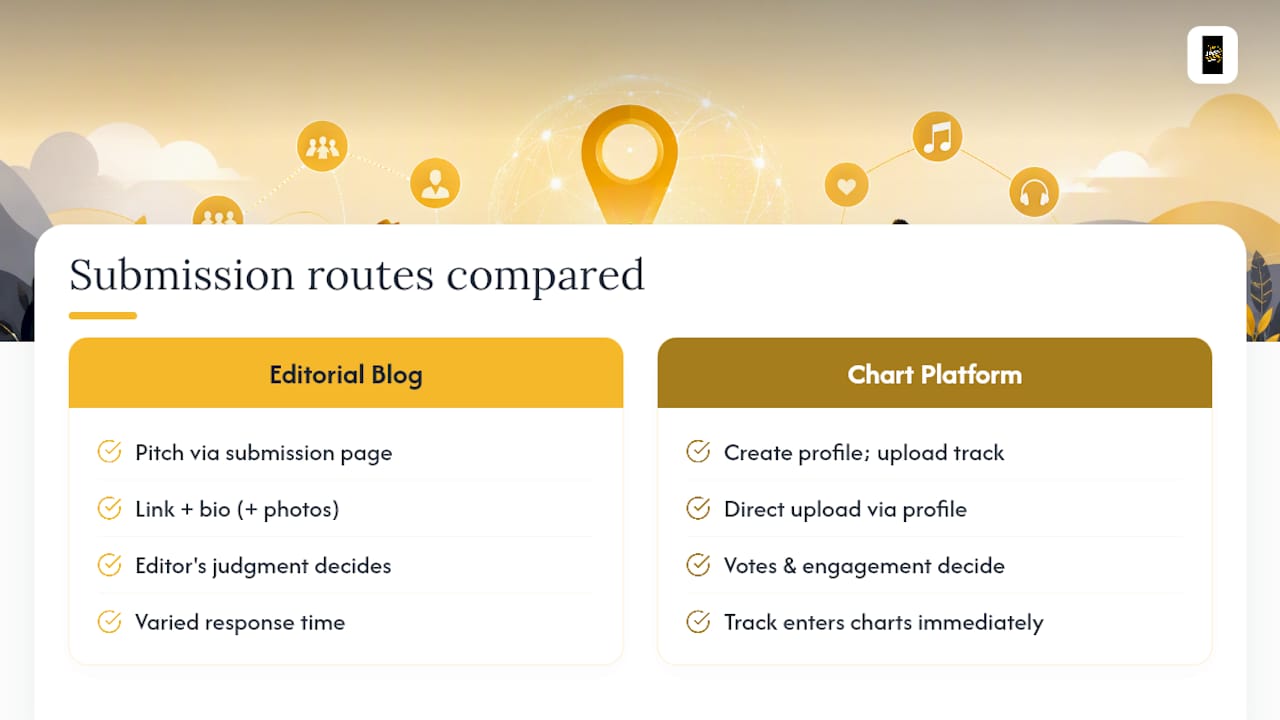
Most editorial blogs run a dedicated submission page, usually linked in the site footer or "About" section, where artists send a track link, a short bio, and sometimes press photos. Response times vary wildly. Some sites reply within days; others only feature a fraction of submissions and never respond to the rest.
Platforms built around charts and profiles work differently. On some platforms, artists create a profile and upload music directly rather than pitching an editor and waiting for a yes or no. The track then enters the chart system for its genre and region, where listener votes and engagement, not an editor's personal taste, determine whether it climbs.
For listeners, this distinction matters because it explains what you're actually seeing. A blog's "featured" tag reflects one editor's judgment. A chart position reflects an aggregate of listener votes. Neither is inherently more trustworthy, but knowing which one you're looking at changes how much weight to give it.
Artists preparing to submit anywhere should have a release strategy ready, not just a finished track. Loca-Nation's release-planning guide walks through timing a release around a submission push, which tends to produce better results than submitting the moment a track is finished.
A Working Weekly Routine for Indie Discovery
My own rotation is simple: one curated blog on Monday, one community thread midweek, one platform browsing session on the weekend. The habit that actually sticks is picking one scene and voting or engaging with it every single week, rather than sampling everything once and forgetting it.
— Jason
Try Loca-Nation: Three Quick Actions to Support Unsigned Artists
Some platforms surface unsigned artists through a genuine chart, built on listener votes and engagement rather than ad budgets or industry connections. Compared to scrolling a generic algorithmic feed, this gives you a direct hand in deciding which unsigned artists actually get seen.
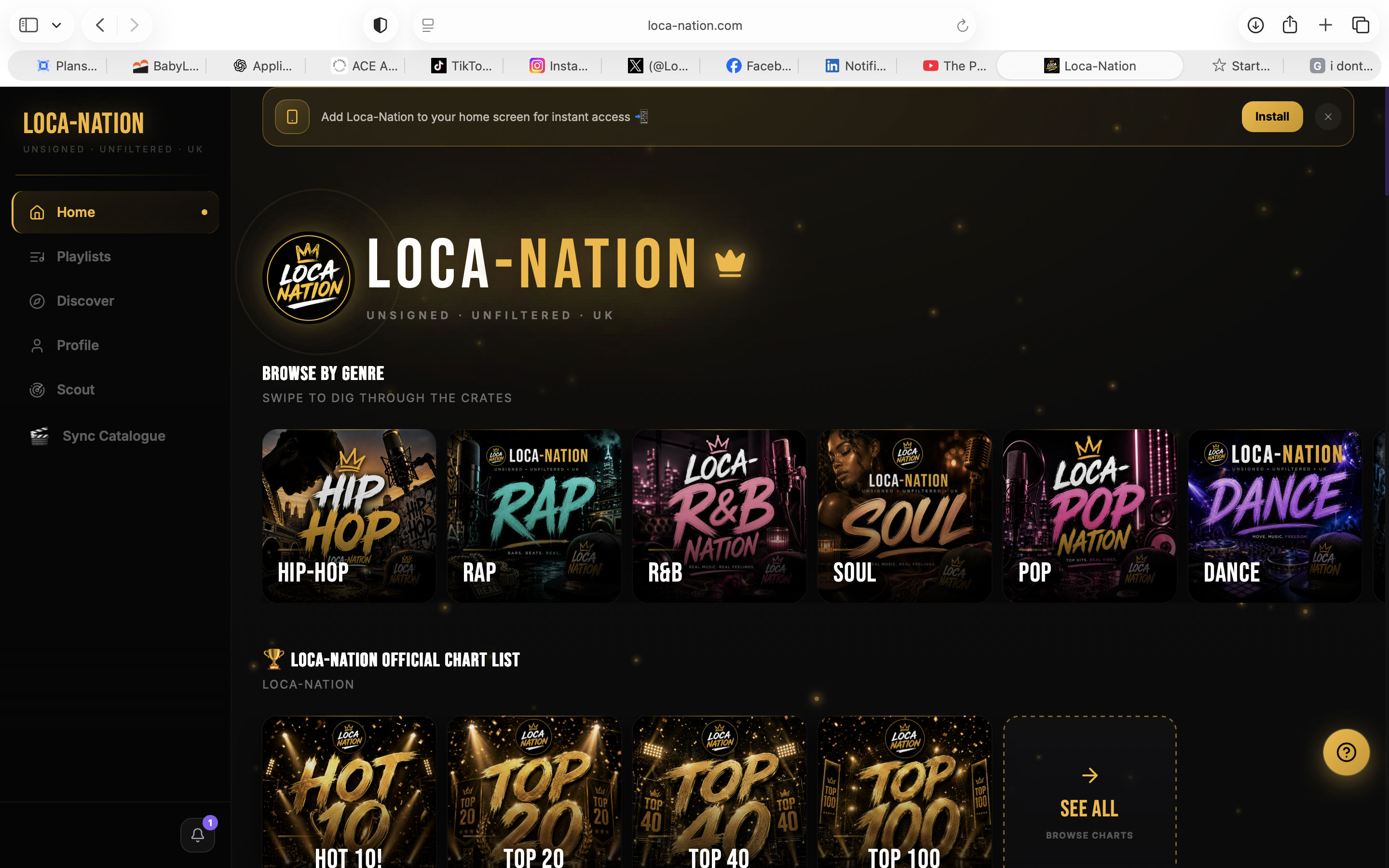
Three things you can do right now: browse a genre page to find artists in a scene you already like, follow one artist's profile to track their chart movement, and cast a vote for a track you think deserves to climb. Start with the genre onboarding page to find scenes matching your taste, or check the reactivate page if you've browsed before and want to jump back in. No subscription, no ads, no cost to listen. Just pick a genre and vote.
Sources
Building a discovery pipeline means checking a small, trusted set of sources on a rhythm, not chasing every new list that appears.
- Indie Music Discovery – Interviews & Playlists featuring DIY ...
- Any recommendations for "indie" sources for finding new ...
FAQ
What Is the Best Way to Start Independent Music Discovery?
Rotate through one editorial blog, one community hub like a subreddit or Discord, and one artist-first platform such as Loca-Nation, checking each on a weekly schedule rather than binge-browsing once.
Are Human-Curated Playlists Better Than Algorithmic Recommendations?
For unsigned and underground artists, yes, generally. Human curators can flag quality before a track has enough plays to trigger an algorithm, while streaming algorithms typically need existing engagement data to recommend anything.
How Can I Tell If a Music Blog Accepts Paid Placements?
Search the site name alongside "sponsored" or "submission policy." A trustworthy blog discloses paid or promotional posts separately from genuine editorial picks.
How Does Loca-Nation Help Me Discover New Artists?
Loca-Nation organizes unsigned artists into charts by genre and region, ranked by listener votes and engagement rather than ad spend, and it's completely free to browse, vote, and follow artists with no ads or subscriptions.
Is It Legal to Share an Independent Artist's Song Online?
Sharing an official link or embed is fine, but reuploading someone's audio to your own channel without permission violates copyright even when you credit the artist, and it costs them accurate royalties and play counts.